PCE vs CPI: The Fed's Preferred Inflation Gauge, Explained
What the PCE price index is, how it differs from CPI, and how to read the May 2026 Personal Income and Outlays report from BEA.
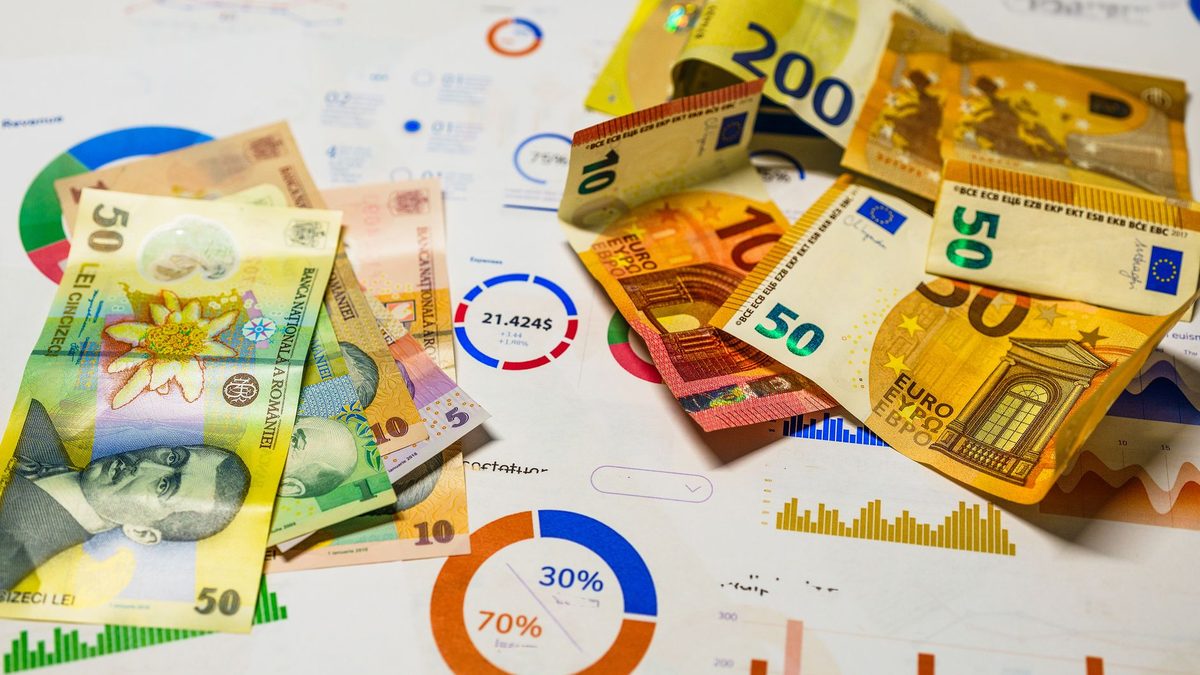
Written with AI assistance; every figure is checked against our calculators and primary sources, and reviewed by Ethan Ginsberg before publishing.
The bottom line
The Federal Reserve targets 2% inflation measured by the PCE price index, not CPI.
The Federal Reserve's preferred inflation gauge is the Personal Consumption Expenditures (PCE) price index from the Bureau of Economic Analysis (BEA), not the better-known Consumer Price Index (CPI). The Fed targets 2% inflation measured by the annual change in PCE prices (federalreserve.gov). The May 2026 PCE data arrives June 25, 2026.
What is the PCE price index?
PCE measures the change in prices of goods and services bought by, or on behalf of, U.S. households. It comes out monthly inside BEA's "Personal Income and Outlays" report (bea.gov). There are two versions:
- Headline PCE includes everything, including food and energy.
- Core PCE strips out food and energy prices, which swing sharply month to month. Economists watch core to read the underlying trend.
Each is reported two ways: month-over-month (how much prices moved versus the prior month) and year-over-year (versus the same month a year earlier). The year-over-year core figure is the number most closely compared against the Fed's 2% objective (federalreserve.gov).
How is PCE different from CPI?
Both track inflation, but they are built differently, so they rarely print the same number. CPI is published monthly by BLS (bls.gov). The main mechanical differences:
| Feature | PCE (BEA) | CPI (BLS) |
|---|---|---|
| Publisher | Bureau of Economic Analysis | Bureau of Labor Statistics |
| Scope | Spending by and on behalf of households (includes employer-paid health care, Medicare, Medicaid) | Out-of-pocket spending by urban consumers |
| Weighting | Updated frequently as spending shifts | Fixed basket, updated less often |
| Substitution | Captures buyers switching to cheaper goods | Slower to reflect substitution |
| Housing weight | Smaller | Larger |
The substitution point matters. When beef gets expensive and shoppers buy more chicken, PCE adjusts its weights faster than CPI does. That broader scope and faster reweighting are two reasons PCE inflation often runs a few tenths of a percentage point below CPI for the same month.
Why does the Fed watch core PCE?
The Fed names PCE specifically because of that broader coverage and flexible weighting. Core PCE filters out the noisiest categories so the central bank can judge whether price growth is settling near its 2% goal. The Federal Open Market Committee's Summary of Economic Projections forecasts both headline and core PCE inflation, which shows where the gauge sits in the framework (federalreserve.gov).
This is purely how the measurement works. It says nothing about whether any rate level is correct.
How do you read the May 2026 PCE report?
When BEA posts Personal Income and Outlays on June 25, 2026 (bea.gov), look for four PCE figures:
- Headline PCE, month-over-month.
- Headline PCE, year-over-year.
- Core PCE, month-over-month.
- Core PCE, year-over-year.
A rough shortcut: multiply a single month-over-month reading by 12 to see the annualized pace that one month implies. A 0.2% monthly core print annualizes near 2.4%. The year-over-year line smooths out single-month bumps and is the cleaner read against the 2% target.
What does inflation do to a fixed dollar amount?
Inflation steadily reduces what a fixed sum can buy. To see the erosion, divide today's dollars by (1 + inflation rate) raised to the number of years.
At a steady 2.5% inflation rate, $100 keeps the buying power of about:
| Years from now | Buying power of $100 |
|---|---|
| 5 | $88.39 |
| 10 | $78.12 |
| 20 | $61.03 |
A $100 expense today would, at 2.5% annual inflation, cost roughly $128 in 10 years to buy the same thing.
Quick glossary
- Headline vs. core: headline includes food and energy; core removes them.
- Month-over-month vs. year-over-year: the change versus last month vs. the change versus the same month last year.
- Annualized: a single-period change scaled up as if it continued for a full year.
The PCE report keeps the same structure every month. Once you know which four numbers to find and how the index differs from CPI, each release reads the same way.
Run your numbers
Plug your own figures into the Inflation Power calculator and see your specific outcome.
Open Inflation PowerSources
Related reads
How to Read the CPI Report: What May 2026 Means for Your Dollar
A plain-English guide to the Consumer Price Index, how the BLS builds headline and core CPI, and what the May 2026 release says.
Read itHow to Read the June 2026 Jobs Report: Payrolls, Unemployment, Wages
A plain-English guide to the four headline numbers in the BLS Employment Situation report and how labor data ripples to Fed expectations, savings yields, and mortgage rates.
Read itHow Money Market Fund Yields Work After the June 2026 Fed Meeting
A plain-English look at what a money market fund is, how its yield tracks the federal funds rate, and why those yields stayed near current levels after the Fed held rates on June 17, 2026.
Read itHow the Fed's Rate Decision Hits Your Credit Card APR
The prime rate is the lever that connects an FOMC move to your variable-rate card. Here's the formula, the lag, and the math on a $6,000 balance.
Read it
Money Scale Weekly
Read another one like this on Thursday?
We send one short, sourced money read per week. Tied to inflation power and the other Money Scale pillars. Free, no spam, one click to unsubscribe.
Drop your email and you're in. We send one short read on Thursday — and nothing else without your asking.
Money Scale is free to read and free to use — no paywall, no account, no selling your data. Hosting and research still cost money, so if this was worth your time you're welcome to buy us a coffee. Never required.